
What Is Full Cycle Recruiting: A Complete Guide for Hiring Success
Learn what is full cycle recruiting, how it works, and why it’s essential for hiring success. Explore stages, benefits, and best practices for better hires.
Recruiting top talent is one of the most critical challenges for any organization. To succeed, companies need more than just job postings and interviews—they need a structured, end-to-end approach. This is where full cycle recruiting comes in. But what is full cycle recruiting, and why has it become essential for modern hiring?
Full cycle recruiting manages the entire hiring process, from defining the role to onboarding the new employee, ensuring consistency, accountability, and a superior candidate experience. By overseeing every stage internally or with a dedicated recruiter, businesses reduce miscommunication, speed up hiring, and improve the chances of selecting the right fit for their teams.
In this guide, we’ll explore what is full cycle recruiting, how it works, its benefits, challenges, and best practices to help companies optimize their hiring process and make smarter, more strategic hires.
What Is Full Cycle Recruiting
In today’s competitive job market, companies cannot afford a fragmented approach to hiring. Understanding what is full cycle recruiting is crucial for businesses that want to attract, hire, and retain top talent efficiently. Unlike traditional recruiting, which often focuses only on sourcing or interviewing, full-cycle recruiting manages the hiring process from start to finish. This ensures consistency, accountability, and a superior candidate experience.
Full-cycle recruiting has gained popularity across industries of all sizes. Companies that adopt it report faster hiring, better-quality hires, and fewer miscommunications. By having a dedicated recruiter or team oversee the entire process, businesses maintain greater control over outcomes while ensuring each candidate receives a professional and structured experience.
Recruiting Overview
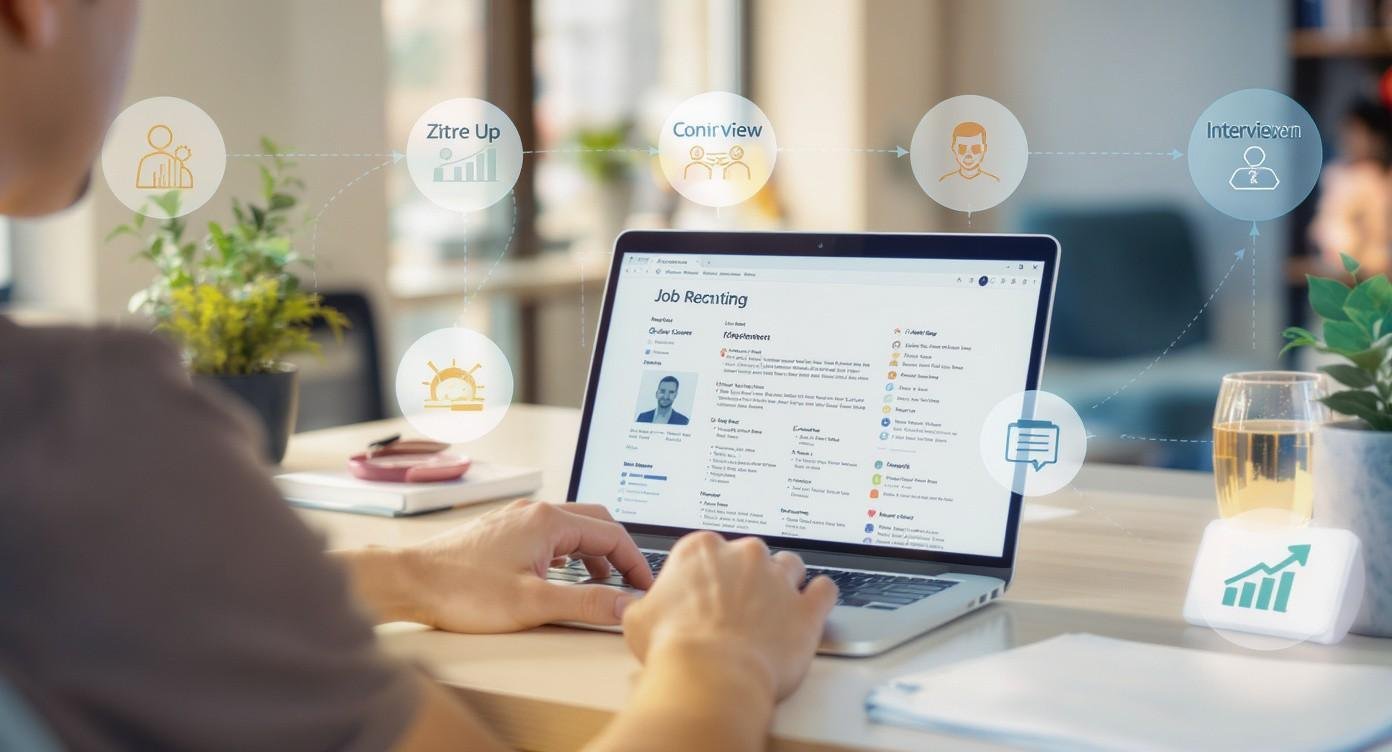
Full cycle recruiting encompasses every stage of hiring. The process begins with identifying the need for a new role and ends with onboarding a new employee. It is designed to streamline communication, reduce errors, and improve the chances of selecting the right candidate.
The main difference between full cycle recruiting and traditional recruiting lies in ownership. In traditional models, responsibilities are often split across multiple people or teams—sourcing, interviewing, and onboarding may all be handled separately. Full cycle recruiting consolidates these responsibilities, giving recruiters accountability for the entire hiring process.
Job Preparation
Every successful recruitment starts with clear job preparation. Before posting a role, recruiters must define responsibilities, required skills, and desired outcomes. A detailed job description is essential. It not only attracts qualified candidates but also ensures that the hiring team has a shared understanding of expectations.
Job preparation also involves coordinating with team leads to identify priorities for the new hire. This may include defining reporting structures, key performance indicators (KPIs), and essential soft skills. By investing time in this stage, companies lay the groundwork for a smooth hiring process.
Candidate Sourcing
Once the role is defined, the next step is sourcing candidates. Recruiters use multiple strategies to attract talent, including professional networks, social media, employee referrals, and industry-specific job boards.
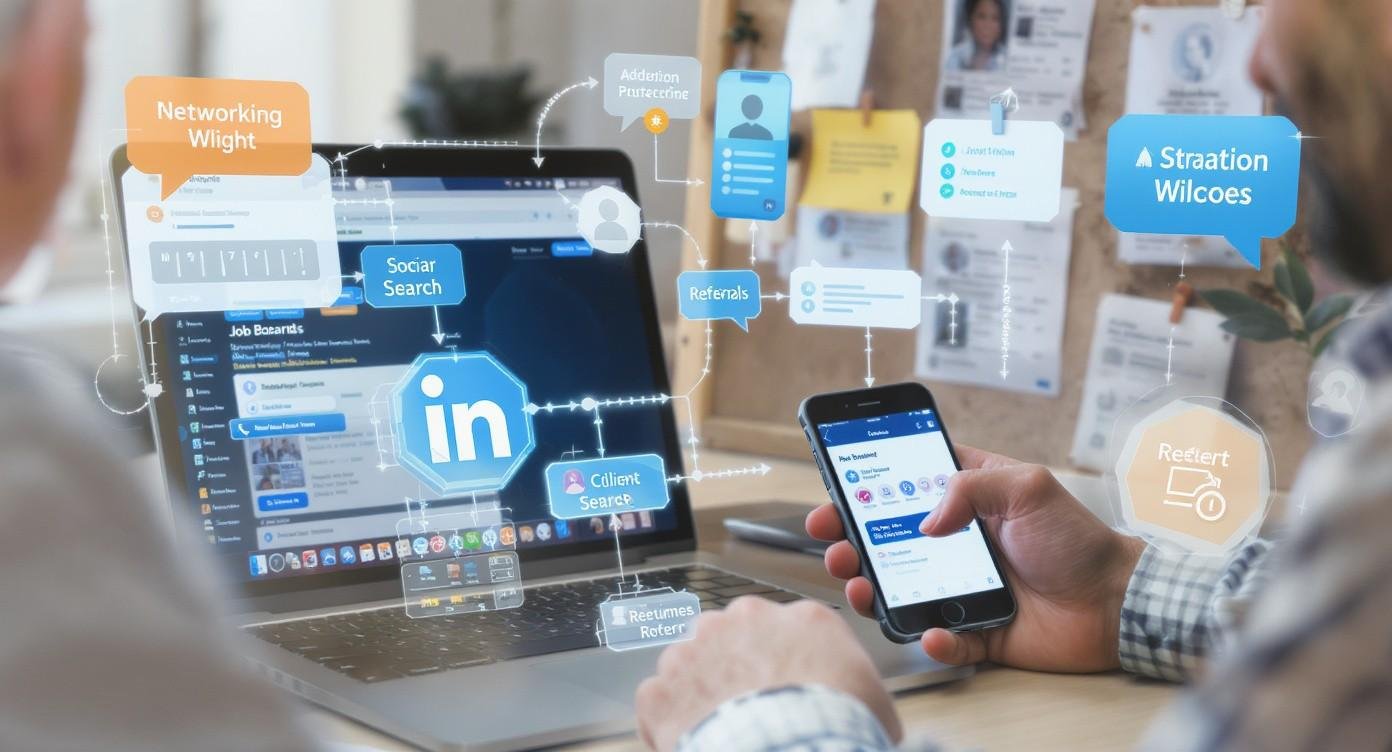
A successful sourcing strategy ensures a steady flow of qualified candidates. It also reduces the time it takes to fill the role, which is critical for minimizing disruption to teams and projects. The goal is to build a strong talent pipeline so the company has options and can avoid rushing decisions.
Screening Candidates
Screening is the process of narrowing down applicants to those best suited for the role. This typically includes reviewing resumes, conducting preliminary interviews, and assessing candidates’ skills and experience.
Effective screening saves time for both the recruiter and hiring manager. It ensures that only the most relevant candidates move forward to the interview stage. By filtering early, companies reduce the risk of hiring mistakes and focus their attention on high-potential talent.
Interview Process
Interviews are more than just a skills check. They are a critical stage for evaluating cultural fit, problem-solving ability, and alignment with company values. Structured interviews, often conducted in multiple rounds, provide a consistent and fair experience for all candidates.
During interviews, recruiters and managers should ask scenario-based questions to understand how candidates respond to challenges. Behavioral questions also help reveal work habits, interpersonal skills, and adaptability. A thoughtful interview process can highlight not only talent but also potential for growth within the company.
Offer & Negotiation
After identifying the ideal candidate, the recruiter manages the offer and negotiation stage. This includes preparing a competitive offer letter, discussing salary and benefits, and addressing any questions or concerns.
Clear and professional communication at this stage is critical. Even a strong candidate may decline if the offer is handled poorly. Recruiters must balance company policies with market expectations to ensure a successful acceptance.
Onboarding Process
Onboarding completes the full cycle recruiting process. A structured onboarding program ensures new hires integrate smoothly into the company, understand policies, and quickly become productive.
Effective onboarding has long-term benefits, including higher retention rates and increased job satisfaction. It provides new employees with clarity about expectations, fosters engagement, and establishes a strong foundation for their growth within the organization.
Recruiting Advantages
Full cycle recruiting offers significant advantages compared to partial recruiting. By managing the entire process internally, companies gain better control over hiring outcomes. This approach also improves efficiency, reduces miscommunication, and enhances the candidate experience.
Recruiters who oversee all stages are more accountable, reducing the likelihood of mistakes or overlooked steps. Companies can track metrics such as time-to-hire, cost-per-hire, and candidate retention, allowing them to continuously improve their process.
Recruiting vs Partial Recruiting
Partial recruiting, where different teams handle separate stages, often leads to fragmented communication and inconsistent experiences for candidates. It may seem easier at first, but it can result in longer timelines, higher costs, and missed opportunities to secure top talent.
In contrast, full cycle recruiting ensures continuity and alignment. Every step is connected, creating a smoother, more transparent process. Candidates are more engaged, and companies are more likely to make hires that are a strong fit for both skill and culture.
Best Practices
To succeed with full-cycle recruiting, companies should adopt certain best practices. Clear job descriptions, structured interviews, and timely candidate communication are essential. Leveraging technology, such as applicant tracking systems, can improve efficiency.
Tracking key metrics like retention rates and time-to-hire allows recruiters to refine their process over time. Engaging candidates with feedback and updates builds trust and strengthens the company’s reputation as an employer of choice.
Common Challenges
While full cycle recruiting has many benefits, it is not without challenges. Handling all stages can be demanding, especially for small teams. Maintaining consistency across candidates, balancing speed with quality, and staying updated with changing skill requirements are ongoing concerns.
Despite these challenges, structured full cycle recruiting consistently outperforms fragmented methods. Clear processes, trained recruiters, and technology support can overcome most difficulties and ensure successful hires.
Summary
In conclusion, what is full cycle recruiting? It is the comprehensive hiring approach that manages every stage, from job preparation to onboarding. By following a structured process, companies improve efficiency, candidate quality, and hiring outcomes.
Full cycle recruiting strengthens accountability, reduces hiring mistakes, and enhances the overall candidate experience. It is a strategic approach suitable for startups and large organizations alike, ensuring that every hire aligns with company goals and contributes positively to growth
FAQs
What is full-cycle recruiting?
Full-cycle recruiting is the end-to-end hiring process that covers everything from job posting to onboarding. It ensures consistency, accountability, and a better candidate experience.
How long does full-cycle recruiting take?
Typically, the process takes 30–60 days, depending on the role, industry, and resources available. More complex positions may take longer.
Is it better than partial recruiting?
Yes. Full-cycle recruiting provides continuity, improves engagement, and increases the likelihood of hiring the right candidate.
Can small businesses implement it?
Absolutely. Even small teams benefit from a structured approach that reduces mistakes and helps retain employees.
What skills are needed?
Effective recruiters need strong communication, sourcing, interviewing, negotiation, and organizational skills to manage the entire process.
